How to Design a Truly Non-Toxic Home: Materials, Furniture & Systems That Matter Most
This post may contain affiliate links. If you choose to make a purchase through these links, Refinecozy may earn a small commission at no additional cost to you. All content is shared for educational purposes, and recommendations are made thoughtfully and with care.
Creating a non-toxic home isn’t about perfection or replacing everything at once. It’s about understanding which choices matter most and focusing on the foundational elements that quietly shape your indoor environment every single day.
From the materials used in construction to the furniture you live with and the systems that circulate air throughout your home, certain decisions have a far greater impact on long-term health than others. This guide breaks down where to focus first when designing — or transitioning to — a truly non-toxic home.
What “Non-Toxic Home Design” Really Means
A non-toxic home is not toxin-free — that’s unrealistic. Instead, it’s a home designed to reduce unnecessary chemical exposure, support cleaner air and water, and create a healthier baseline for daily living.
Non-toxic home design looks at:
The materials that make up your walls, floors, and finishes
The furniture you touch and sit on daily
The systems that move air and water through your space
When these elements are thoughtfully chosen, the entire home feels calmer, fresher, and more supportive — often without looking any different on the surface.
1. Materials: The Foundation of a Healthier Home
Materials are the starting point because they influence off-gassing, air quality, and long-term exposure.
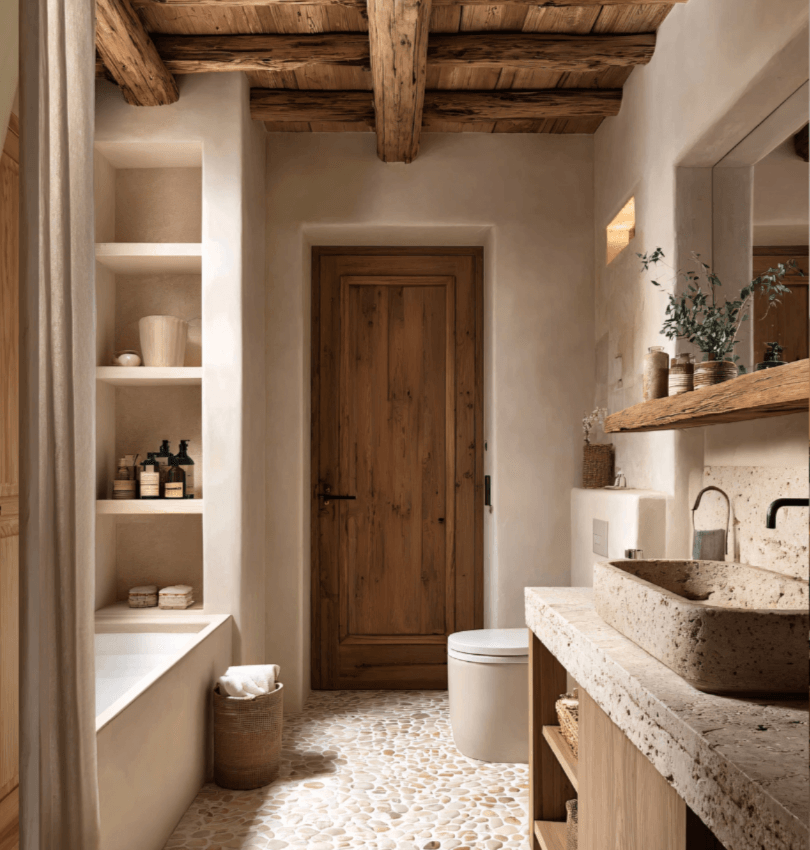
Low-VOC and Zero-VOC Paints
Paint is one of the most impactful upgrades you can make. Conventional paints often release volatile organic compounds (VOCs) long after application, contributing to headaches, respiratory irritation, and poor indoor air quality.
Low-VOC or zero-VOC paints:
Reduce chemical emissions
Improve air quality, especially in bedrooms and living spaces
Are now widely available in beautiful, modern finishes
This is one of the easiest swaps with an immediate impact.
Natural and Mineral-Based Finishes
Beyond paint, finishes matter too. Sealants, stains, and coatings can contain solvents that linger in the air.
Healthier alternatives include:
Natural oils and waxes
Water-based finishes
Mineral-based plasters and surfaces
These options support both durability and indoor air quality without compromising aesthetics.
2. Furniture: What You Live With Matters
Furniture is often overlooked, yet it plays a major role in chemical exposure due to adhesives, foams, and synthetic finishes.
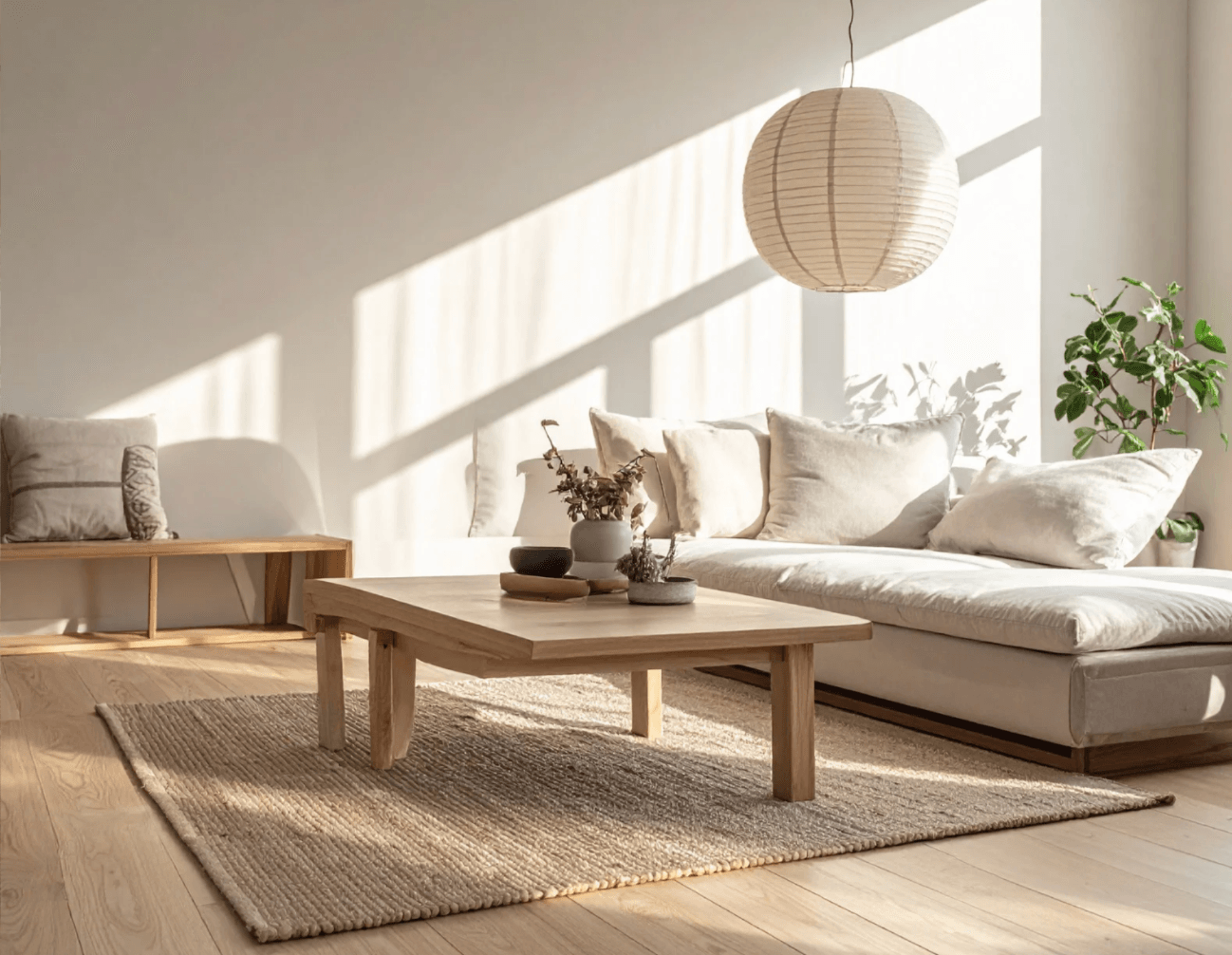
Solid Wood Over Engineered Materials
Many mass-produced furniture pieces are made with particleboard or MDF, which often contain formaldehyde-based glues.
Health-conscious furniture choices prioritize:
Solid wood construction
FSC-certified or responsibly sourced wood
Minimal adhesives and synthetic finishes
Solid wood furniture not only ages better visually, but it also contributes to a healthier indoor environment.
Upholstery and Soft Furnishings
Couches, chairs, and rugs can be hidden sources of flame retardants and chemical treatments.
When possible, look for:
Natural latex or wool cushioning
Organic or untreated fabrics
Certifications that indicate lower chemical use
These pieces are in close contact with your body — especially in living rooms and bedrooms — making them worth careful consideration.
3. Sleep Spaces: Where Non-Toxic Choices Matter Most
Bedrooms deserve special attention because we spend hours there every night, often in direct contact with materials.
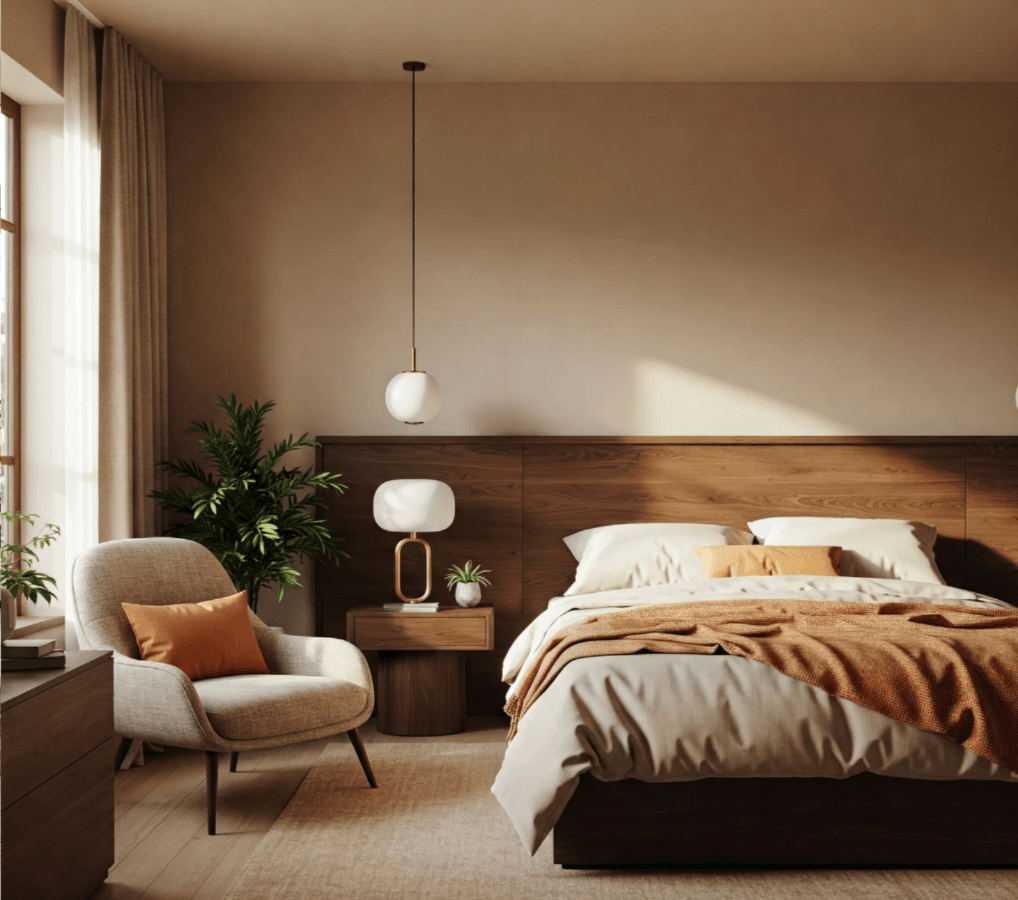
Natural and Organic Mattresses
Conventional mattresses may contain synthetic foams, flame retardants, and chemical adhesives that off-gas over time.
Health-focused mattress options typically feature:
Natural latex or organic materials
Breathable construction
Minimal chemical treatments
A supportive, non-toxic mattress contributes not only to better sleep, but also to improved overall well-being.
Bedding and Textiles
Sheets, pillows, and blankets should support breathability and comfort.
Natural fibers like cotton, linen, and bamboo:
Allow better airflow
Reduce moisture buildup
Feel more comfortable against the skin
This is a simple place to start transitioning toward a healthier home.
4. Home Systems: The Invisible Influencers
Some of the most important non-toxic upgrades are the least visible.

Whole-Home Air Quality
Indoor air can be more polluted than outdoor air due to trapped chemicals, poor ventilation, and everyday activities like cooking and cleaning.
Foundational air-quality strategies include:
Proper ventilation
High-quality filtration
Reducing sources of indoor pollutants
In certain homes, especially those in urban areas or with sensitivities, whole-home air purification systems can provide meaningful support.
Why Systems Matter
Unlike decorative changes, home systems work continuously in the background. When they’re designed with health in mind, they quietly improve daily living without requiring constant effort.
Designer Note:
When designing a non-toxic home, I focus first on foundational pieces —materials, furniture, and home systems that quietly impact health every day. I’ll be sharing the specific brands and solutions I recommend once this guide is fully updated.
(This section will later include curated recommendations for furniture, mattresses, finishes, and whole-home systems.)
Designing a non-toxic home doesn’t mean replacing everything at once. A more sustainable approach is to prioritize changes over time:
1. Start with paint and finishes during renovations
2. Upgrade sleep-related items when replacements are needed
3. Invest in quality furniture gradually
4. Address air quality systems when the home requires it
5. Each step compounds, creating a healthier home that feels intentional rather than reactive.
Non-Toxic Furniture: What to Look For (and What to Avoid)
Not all furniture marketed as “eco” or “natural” meets the same standards. When evaluating non-toxic furniture, it’s important to look beyond aesthetics and focus on construction, materials, and finishes.
Key Features to Prioritize
Solid wood construction over engineered wood
FSC-certified or responsibly sourced materials
Minimal use of adhesives
Water-based or natural finishes
Transparent material sourcing
Common Materials to Be Cautious With
Particleboard or MDF
Formaldehyde-based glues
Synthetic veneers
Heavy chemical stains or lacquers
Coming Soon:
I’ll be adding a comparison of furniture brands that prioritize solid wood construction, responsible sourcing, and low-tox finishes, along with guidance on which pieces are most worth investing in first.
Natural vs Conventional Mattresses: What Makes the Difference?
Natural & Organic Mattress Features
Natural latex, wool, or organic fibers
Breathable construction
Minimal chemical treatments
Clear certifications and material transparency
Conventional Mattress Concerns
Synthetic foams
Chemical flame retardants
Long-term off-gassing
Limited material disclosure
Coming Soon:
This section will be updated with a side-by-side comparison of natural mattress options based on materials, comfort, durability, and overall value.
(Future affiliate swap: mattress comparison grid + recommendations)
Low-VOC Paints & Finishes: How to Choose the Right Option
Low-VOC doesn’t always mean non-toxic. Understanding labeling and formulation helps avoid greenwashing (deceptive marketing).
What to Look For
Zero-VOC or truly low-VOC formulas
Minimal added biocides or preservatives
Third-party testing or transparency
Compatibility with indoor air quality goals
When Paint Choice Matters Most
Bedrooms
Nurseries
Living rooms
Recently renovated spaces
Coming Soon:
I’ll be adding a curated comparison of low-VOC and mineral-based paint brands, including notes on finish quality, application, and long-term performance.
(Future affiliate swap: paint brand recommendations)
Whole-Home Air Purification: Is It Worth It?
For some homes, portable air purifiers are enough. For others, especially in urban areas or homes with sensitivities, whole-home systems offer more consistent support.
When Whole-Home Systems Make Sense
New builds or renovations
Allergy or chemical sensitivities
High outdoor pollution
Limited ventilation
Key Features to Compare
HEPA vs medical-grade filtration
Activated carbon capacity
System coverage size
Noise levels
Maintenance requirements
Coming Soon:
This section will include a comparison of whole-home air purification systems, outlining which setups work best for different home sizes and lifestyle needs.
(Future affiliate swap: system comparisons + top picks)
How to Decide Where to Invest First?
Not every upgrade needs to happen at once. A thoughtful, phased approach is often more effective and sustainable.
1. High-Impact First Investments
2. Bedroom upgrades (mattress, bedding)
3. Paint and finishes
4. Living room furniture
5. Air quality systems
Coming Soon:
I’ll be sharing a prioritized investment guide with specific recommendations based on budget, home type, and health goals.
(Future affiliate swap: “best for budget / best premium” sections)
A truly non-toxic home is built on thoughtful decisions, not trends or fear-based choices. By focusing on materials, furniture, and systems that matter most, you create a space that quietly supports health, comfort, and long-term well-being.
Healthy home design is not about doing everything — it’s about doing what matters.
Let us know what you think in the comments!

Hi. I am Suellen Hunt.
Healthy Home Design Enthusiast and Designer
I have a deep passion for creating homes that truly support the people living in them. My journey into non-toxic living began with a desire to understand how everyday materials, products, and design choices impact our health. What started as personal research expanded into helping others create safer, healthier spaces.
I believe our homes should be places of restoration, not hidden sources of stress on the body. By combining intentional design with non-toxic materials, cleaner air and water solutions, addition of plants and indoor gardens and mindful layouts, we can reduce exposure to harmful chemicals while still enjoying beautiful, functional spaces. I am constantly researching and finding the best practices and materials so my readers can make informed decisions that support long-term wellness without fear or overwhelm.

NEWSLETTER
Subscribe to the newsletter and stay in the loop!
By joining, you acknowledge that you'll receive our newsletter and can opt-out anytime hassle-free.