12 Budget-Friendly Swaps for a Less Toxic Home
This post may contain affiliate links. If you choose to make a purchase through these links, RefineCozy may earn a small commission at no additional cost to you. All content is shared for educational purposes, and recommendations are made thoughtfully and with care.
Making the transition to a non-toxic home doesn’t have to be expensive or overwhelming. In fact, some of the most impactful changes come from small, intentional swaps you can make with items you already use every day.
By replacing common household products with safer, eco-friendly alternatives, you can reduce chemical exposure, improve indoor air quality, and support your family’s long-term well-being, all without breaking the bank.
If you’re just beginning your low-tox journey, start here. These 12 simple, budget-friendly non-toxic home swaps are practical, approachable, and make a noticeable difference over time.
Why Small Non-Toxic Swaps Matter
Many conventional household items contain chemicals that can off-gas into the air, leach into food and water, or irritate the skin. Over time, repeated exposure may impact indoor air quality, sleep, energy levels, and overall comfort at home.
The good news? You don’t have to overhaul everything at once. One thoughtful swap at a time is enough to move toward a healthier, more supportive living environment.
1. Glass Food Storage Instead of Plastic Containers
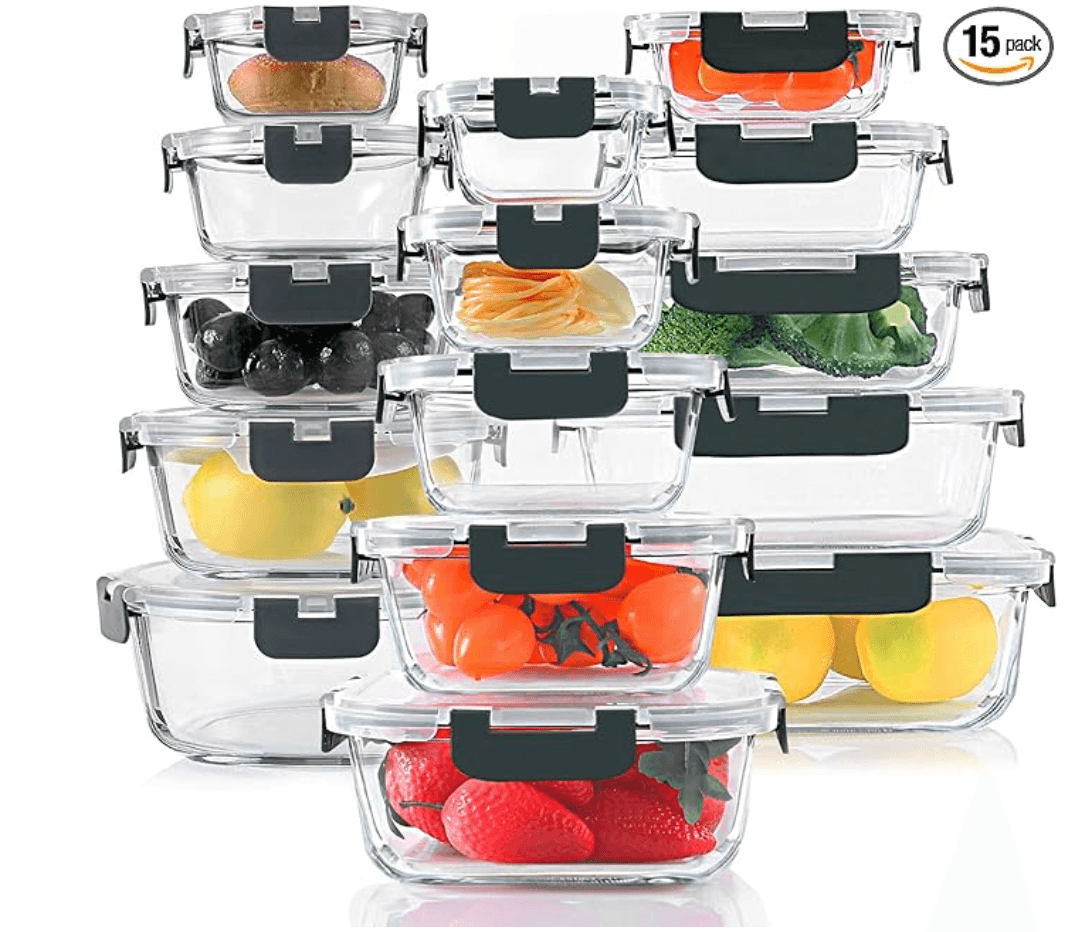
Plastic food storage containers are one of the most common sources of chemical exposure in the home, especially when used for leftovers, reheating, or acidic foods. Many plastics can leach chemicals like BPA, BPS, and phthalates over time—particularly when exposed to heat or wear.
Glass containers offer a much safer and more durable alternative. Because glass is non-porous and non-reactive, it doesn’t absorb food odors, stains, or bacteria, and it won’t transfer unwanted flavors into your meals. It also provides an excellent barrier against moisture and oxygen, helping food stay fresher longer.
From a sustainability standpoint, glass is infinitely recyclable and made from natural materials. Visually, it elevates your kitchen and makes meal prep easier thanks to clear visibility. While the upfront cost can be slightly higher than plastic, glass containers last for years, making them a smart long-term investment.
Why glass works:
Non-toxic and non-reactive
Doesn’t absorb odors or flavors
Durable, reusable, and endlessly recyclable
Keeps food fresher and easier to see
2. Wooden Cooking Utensils Instead of Synthetic Tools

Synthetic cooking utensils—especially plastic or low-quality silicone—can break down when exposed to high heat, potentially releasing unwanted chemicals into your food. Over time, they may also warp, discolor, or retain odors.
Wooden utensils are a classic, non-toxic alternative that combine safety with beauty. They are naturally antibacterial, gentle on cookware surfaces, and won’t scratch stainless steel or ceramic pans. Because wood is non-reactive, it won’t alter the taste of your food, making it ideal for everyday cooking.
With proper care, wooden utensils can last decades. They’re biodegradable, renewable, and free from chemical coatings. Beyond function, they add warmth and a handcrafted feel to your kitchen, reinforcing the idea that healthy living can also be visually calming and intentional.
Benefits of wood:
Naturally antibacterial
Gentle on cookware
Heat-resistant and chemical-free
Beautiful, functional, and long-lasting
3. Stainless Steel Pots and Pans Instead of Non-Stick Teflon

Non-stick cookware is convenient, but many traditional coatings contain PFAS chemicals that can degrade over time, especially at high temperatures. Once scratched or overheated, these coatings may release harmful fumes or particles.
Stainless steel cookware offers a safe, durable, and toxin-free alternative. High-quality stainless steel does not leach chemicals into food, even during high-heat cooking. It’s ideal for sautéing, boiling, roasting, and simmering, and it maintains excellent heat distribution when used properly.
Another major benefit is longevity. Stainless steel cookware can last a lifetime with proper care and is fully recyclable at the end of its use. While it requires a small learning curve compared to non-stick, many people find the trade-off worthwhile for peace of mind and long-term health.
Why stainless steel:
No chemical coatings
Long lifespan
Easy to clean and recyclable
Safe for high-heat cooking
4. Spider Plants Instead of Synthetic Air Fresheners
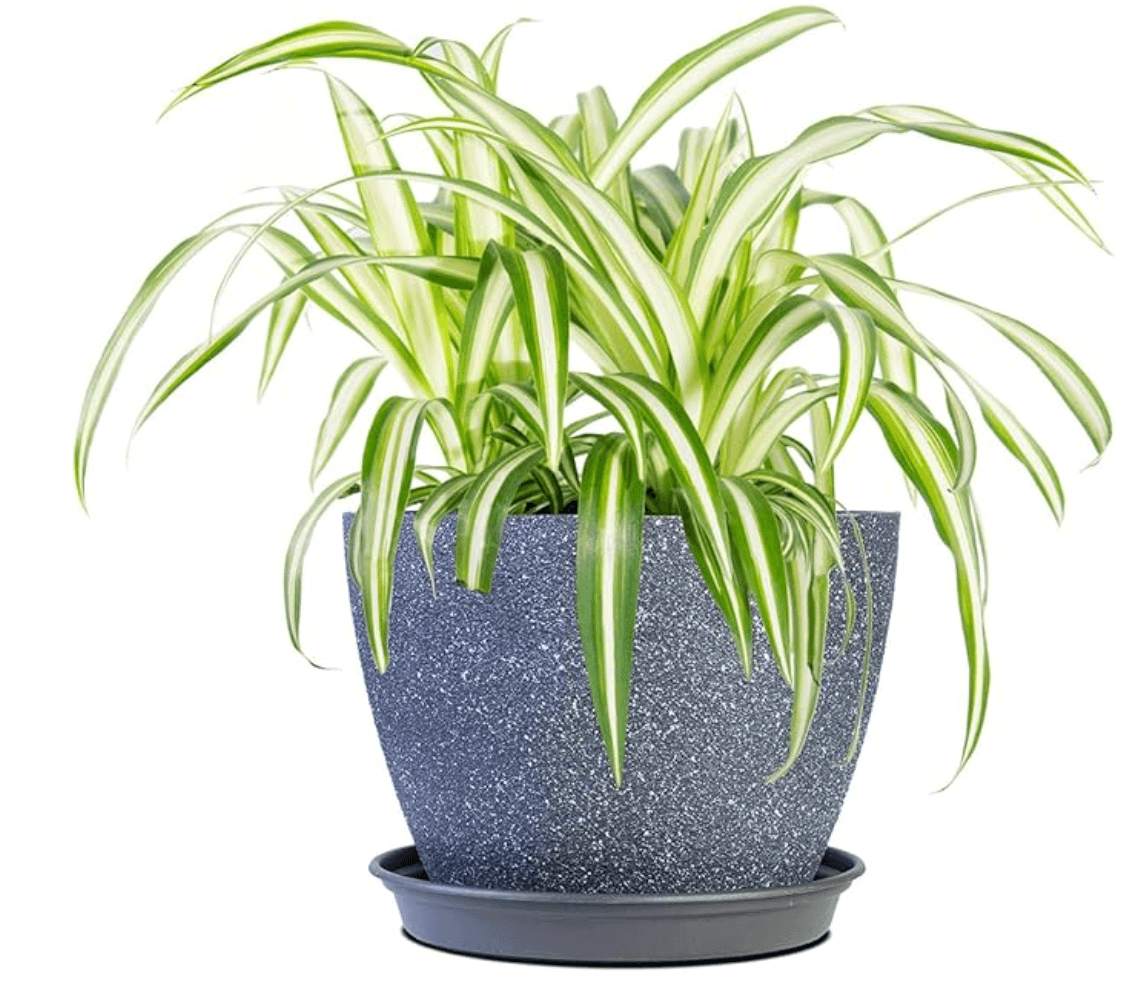
Synthetic air fresheners often mask odors rather than eliminate them, releasing volatile organic compounds (VOCs) and artificial fragrances into your indoor air. These chemicals can irritate the respiratory system and contribute to indoor air pollution.
Spider plants provide a natural, decorative alternative that supports cleaner air without added chemicals. Known for their resilience, spider plants are easy to care for and thrive in a variety of light conditions. They’re also safe for pets and children, making them a family-friendly choice.
Beyond potential air-supporting benefits, plants help regulate humidity and create a calming atmosphere. Incorporating greenery into your home is a simple form of biophilic design that enhances both visual comfort and emotional well-being.
Why spider plants:
Help support indoor air quality
Safe for pets and children
Extremely low maintenance
Add life and softness to any room
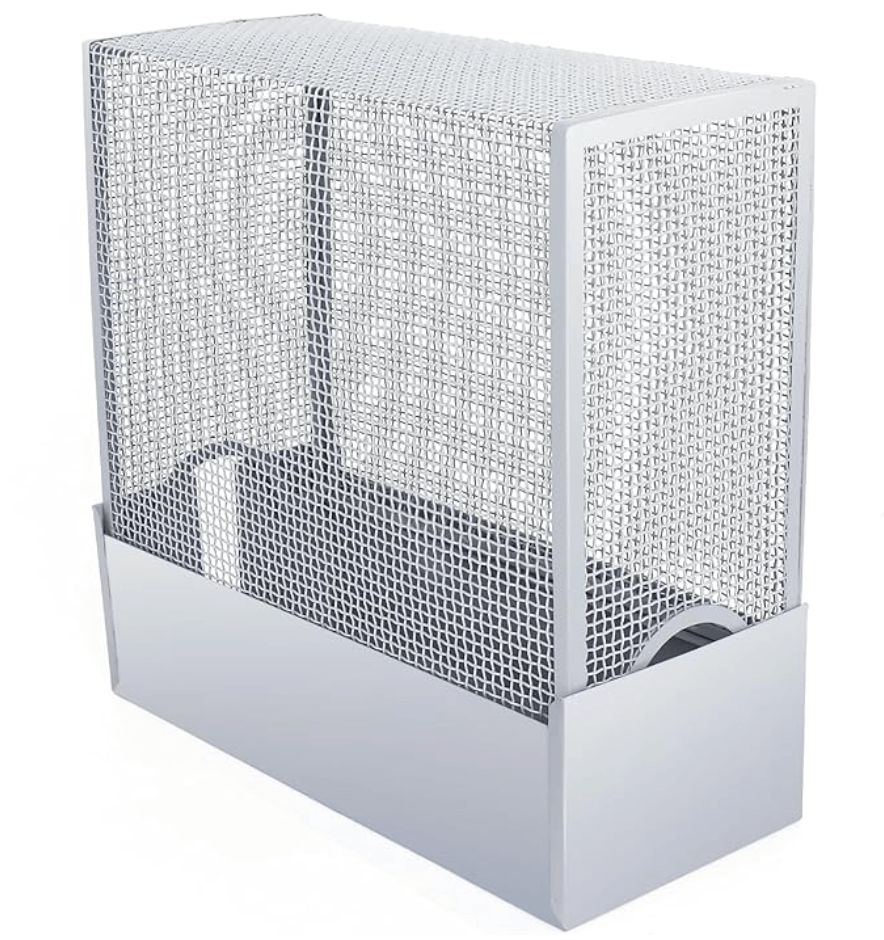
Modern homes rely on wireless technology, but many people choose to be mindful about electromagnetic field (EMF) exposure—especially in bedrooms, nurseries, or workspaces where devices run continuously.
A Wi-Fi router EMF housing blocker is designed to help redirect or reduce radiation exposure while maintaining internet performance. These housings are often made from shielding materials that create a physical barrier between the router and living space.
While research on EMFs continues to evolve, this type of swap appeals to those seeking a precautionary approach to wellness. Combined with thoughtful router placement and screen-time boundaries, it can support a more restful, intentional home environment.
A router housing blocker can:
Help reduce EMF exposure in key areas
Be used without affecting Wi-Fi performance
Support a calmer sleep and work environment
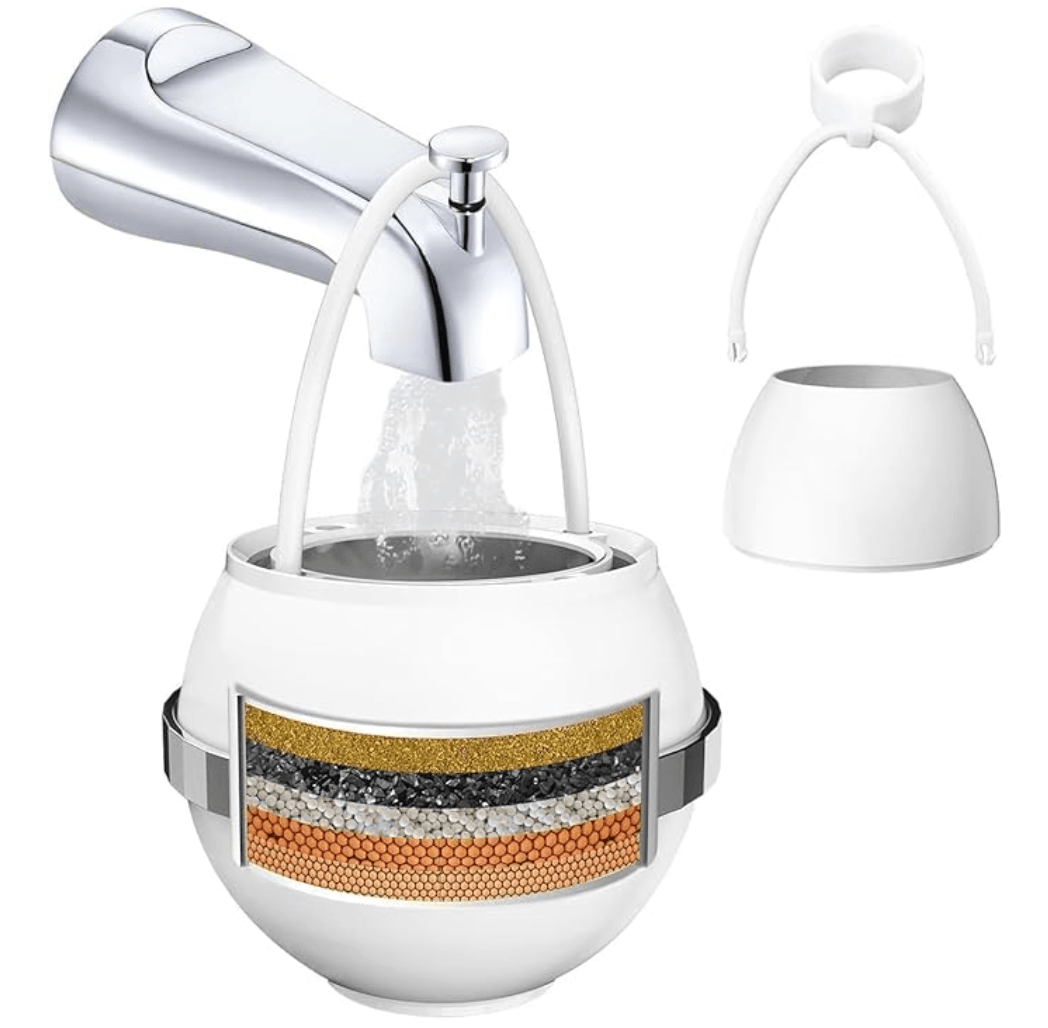
Tap water can contain chlorine, heavy metals, and other chemical additives depending on your location. While regulated for safety, these substances can still affect skin, hair, and overall comfort—especially for those with sensitivities.
Installing filters on tubs and faucets helps reduce unwanted contaminants during daily activities like hand washing, face washing, and bathing. Filtered water often feels softer, smells better, and can be gentler on the skin.
This is a simple, affordable upgrade that doesn’t require major plumbing changes. It’s especially beneficial for families with young children or anyone dealing with dry skin or irritation.
Benefits:
Better for skin and hair
Improves water smell and feel
Easy to install and affordable
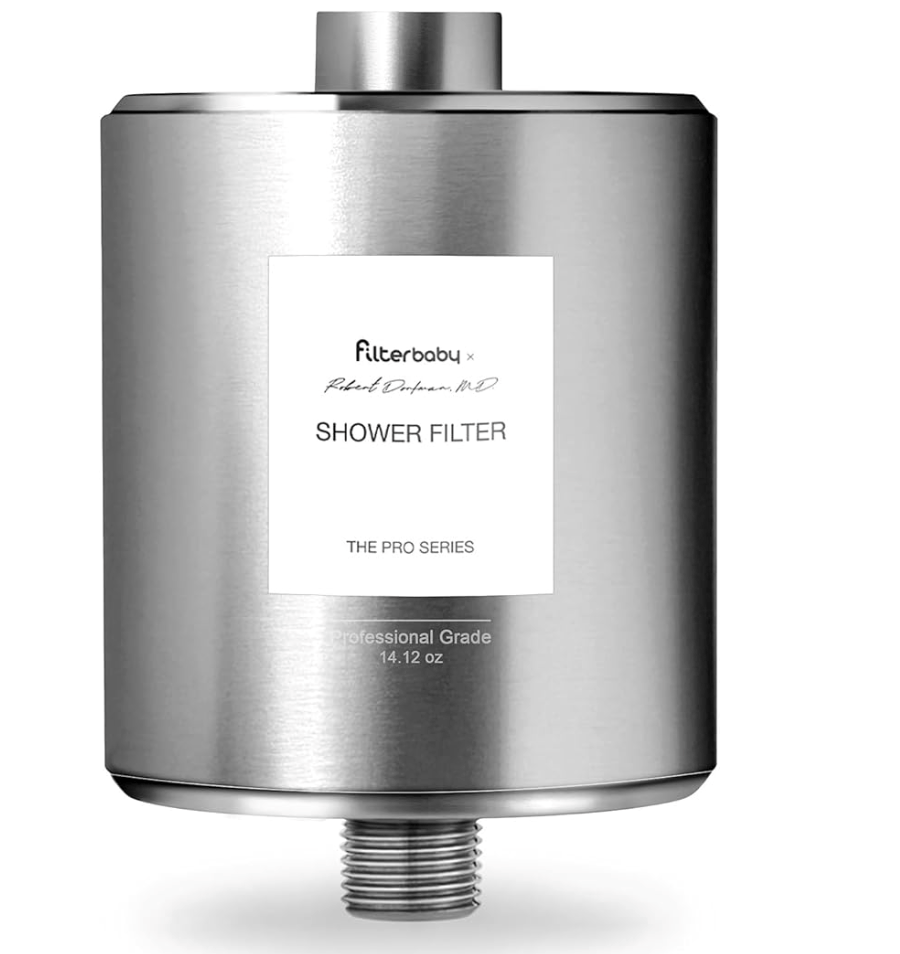
Hot showers open pores, which can increase absorption of chlorine and other water additives. Over time, this exposure may contribute to dry skin, brittle hair, or scalp irritation.
A shower filter helps remove chlorine and other impurities, resulting in water that feels cleaner and more nourishing. Many people notice improvements in skin softness, hair shine, and reduced irritation after installing one.
This is one of the easiest non-toxic swaps to implement, and it pairs beautifully with natural bath products for a more restorative daily routine.
Why it helps:
Reduces chlorine exposure
Leaves skin feeling softer
Helps hair feel healthier and shinier
8. Stainless Steel Toaster Oven/Air Fryer Over Microwave and Non-Stick Teflon
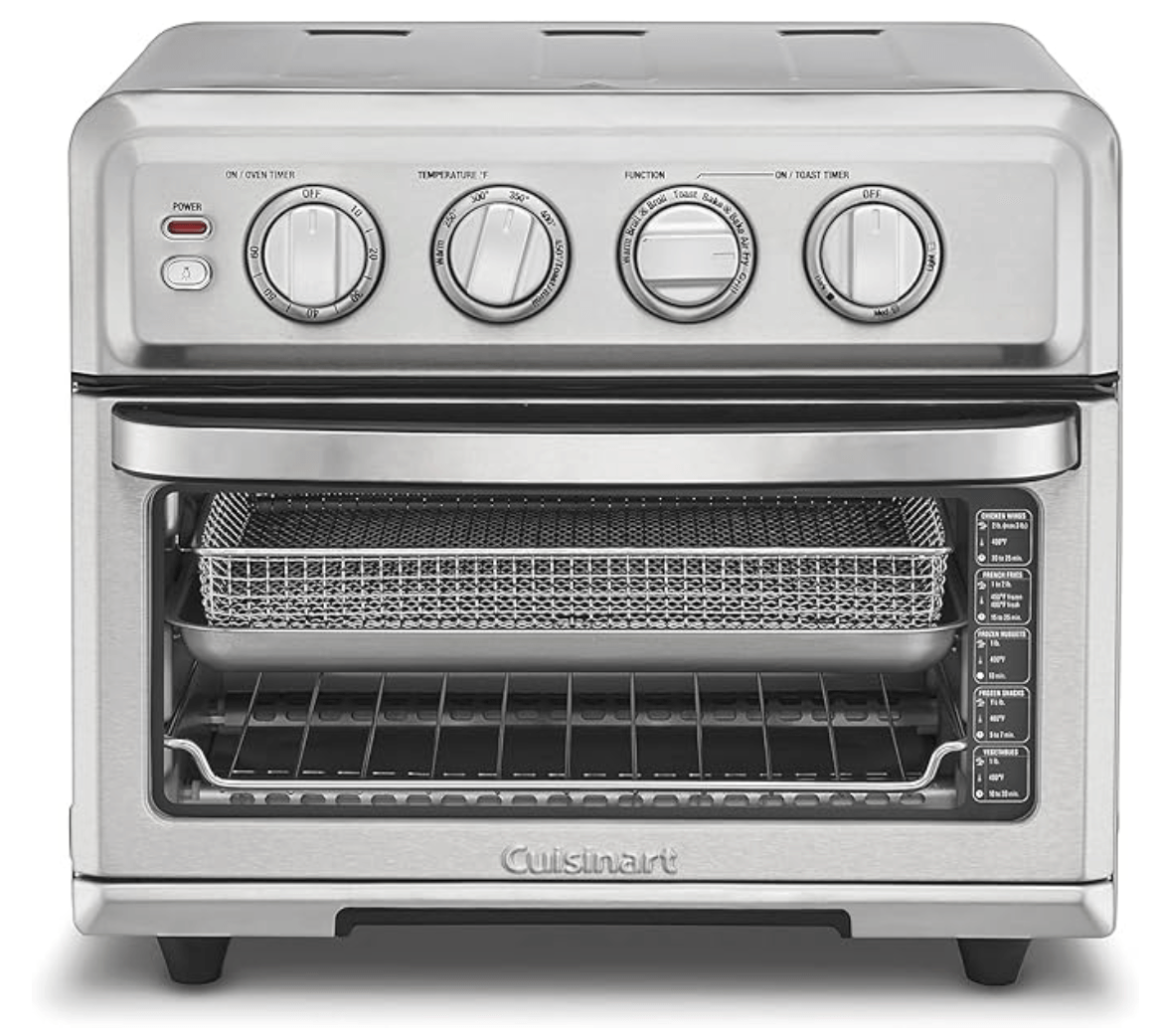
Microwaves and non-stick air fryers often rely on plastic components or coated surfaces that come into contact with food. Heating food in plastic containers can increase the risk of chemical migration.
Stainless steel toaster ovens or air fryers provide a safer alternative for reheating and cooking meals. These appliances avoid non-stick coatings and are designed for durability and even heat distribution.
They also encourage slower, more intentional cooking habits, which many people find aligns better with a wellness-focused lifestyle.
Why choose stainless steel:
No non-stick coatings
Durable and long-lasting
Ideal for reheating and cooking without plastic
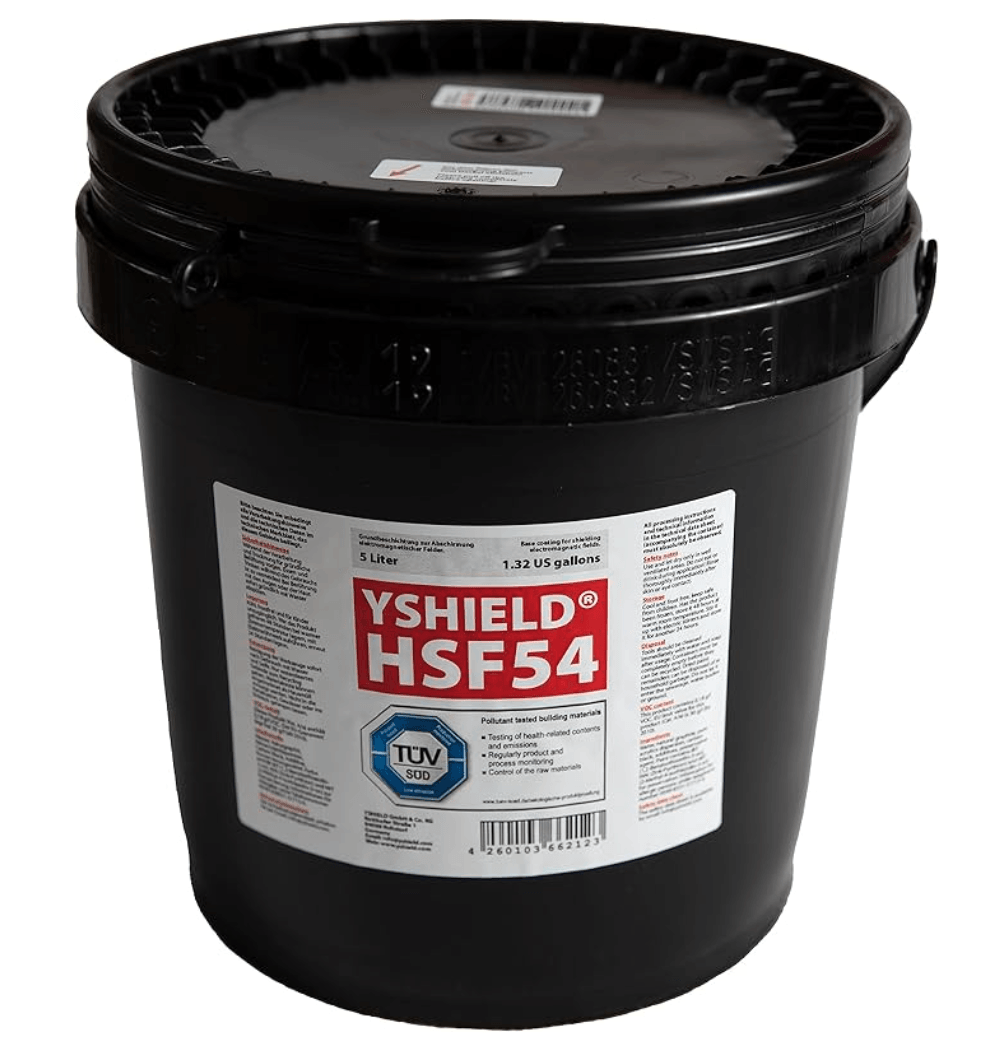
For individuals particularly sensitive to electromagnetic exposure, EMF shielding paint offers an additional layer of protection. This specialty paint contains conductive materials designed to reflect or absorb electromagnetic radiation.
It’s typically applied to specific walls—such as those facing cell towers or housing electrical panels—rather than entire homes. When used correctly, it can help create calmer, lower-exposure spaces ideal for sleep or focused work.
This solution is often paired with professional assessment tools to ensure effectiveness and proper grounding.
Why people use it:
Designed to help reduce electromagnetic exposure
Often used in bedrooms or workspaces
Can be verified with professional meters
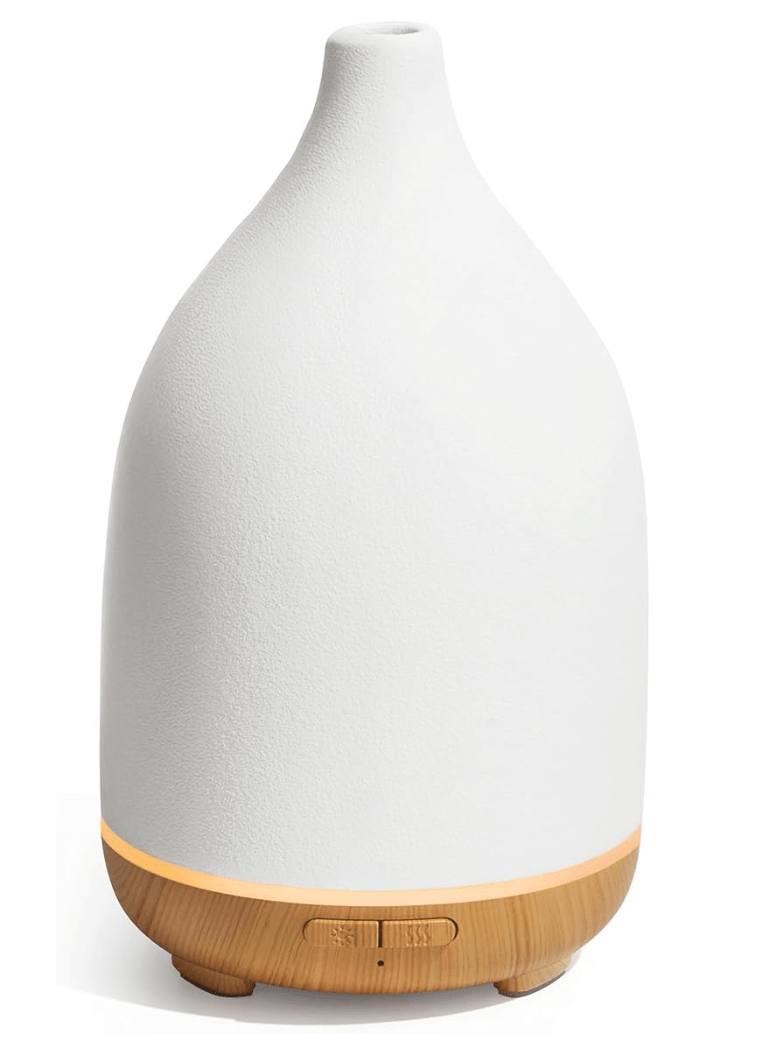
Many commercial air fresheners rely on artificial fragrances that introduce VOCs into the air. Over time, these compounds can irritate the respiratory system and disrupt indoor air quality.
Essential oil diffusers offer a natural way to freshen your space using plant-based aromas. Oils like lavender, eucalyptus, and citrus not only smell pleasant but are often used to support relaxation, focus, or mood.
When used mindfully and in moderation, diffusers can enhance the sensory experience of your home without relying on synthetic chemicals.
Popular choices:
Lavender for relaxation
Eucalyptus for clarity
Lemon for freshness
11. Stainless Steel Coffee Maker Instead of Plastic

Hot liquids passing through plastic components can increase the likelihood of chemical leaching. Since coffee is often consumed daily, this exposure can quietly add up over time.
A stainless steel French press or coffee maker eliminates plastic contact and delivers a cleaner, more robust flavor. These options are durable, easy to clean, and visually timeless.
They also reduce waste by eliminating disposable pods and filters, making them both a health-conscious and environmentally friendly choice.
Why it’s better:
No plastic contact with hot liquids
Cleaner taste
Easy to clean and long-lasting
12. Pure Bamboo Linen or Pure Cotton Over Synthetic Bedding
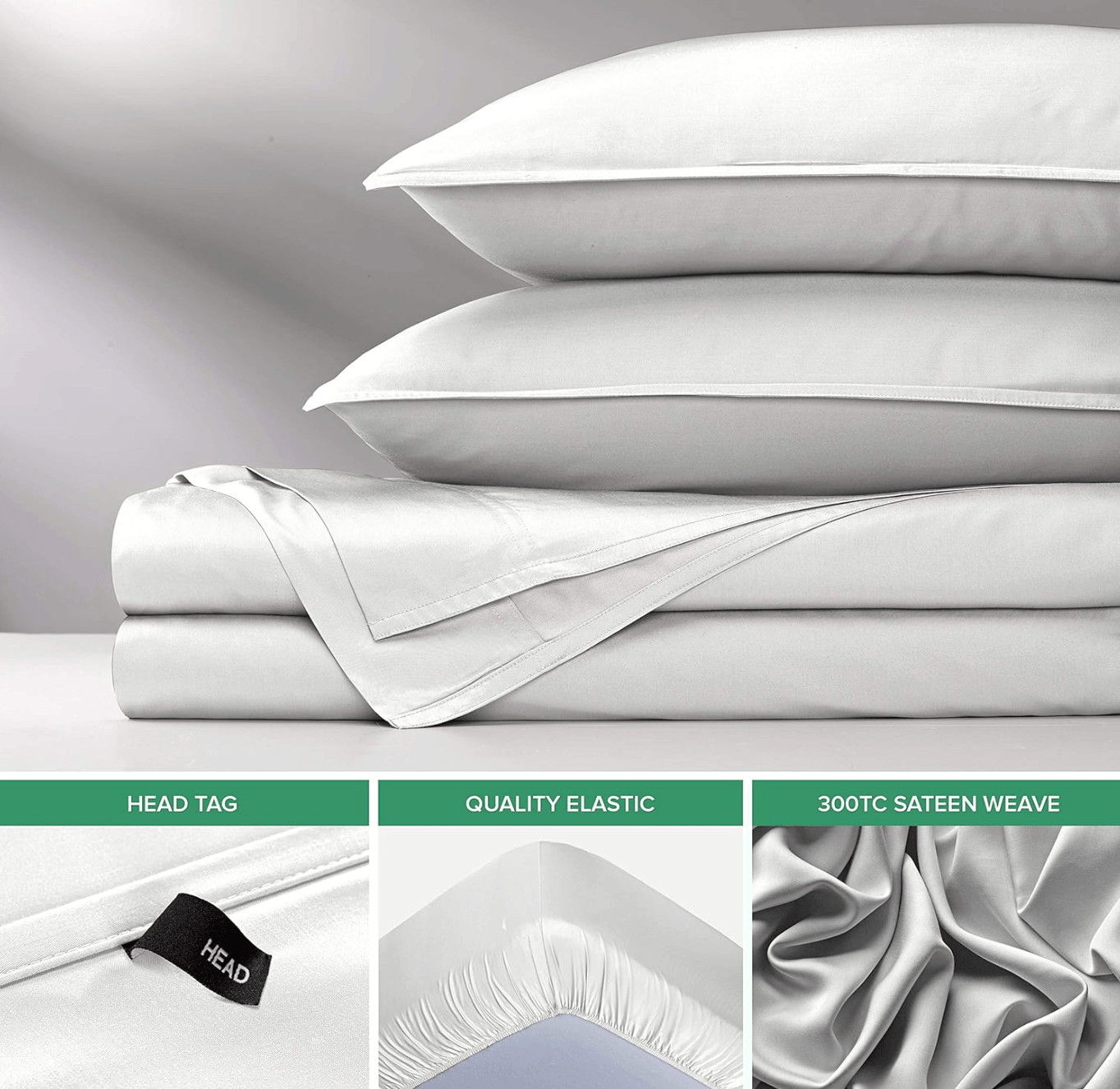
Synthetic bedding materials are often treated with chemical finishes and made from petroleum-based fibers. These fabrics can trap heat, reduce breathability, and irritate sensitive skin.
Natural options like bamboo or organic cotton bedding are breathable, temperature-regulating, and naturally hypoallergenic. Bamboo fabric, in particular, is soft, moisture-wicking, and resistant to odors.
Choosing natural bedding supports better sleep quality and creates a calmer, more restorative bedroom environment—one of the most impactful areas of the home to prioritize.
Why natural bedding:
Breathable and temperature-regulating
Naturally hypoallergenic
Free from synthetic fibers and harsh finishes
Creating a non-toxic home doesn’t have to mean spending a fortune. These 12 budget-friendly swaps are simple, effective ways to reduce exposure to harmful chemicals and improve the health and well-being of your family. Whether you’re upgrading your cookware, filtering your water, or purifying the air, every small change makes a difference. Start with one or two swaps and gradually make more as your budget allows. You will start feeling a change in your well-being. Your health and your family will thank you for it!
Let us know what you think in the comments!

Hi. I am Suellen Hunt.
Healthy Home Design Enthusiast and Designer
I have a deep passion for creating homes that truly support the people living in them. My journey into non-toxic living began with a desire to understand how everyday materials, products, and design choices impact our health. What started as personal research expanded into helping others create safer, healthier spaces.
I believe our homes should be places of restoration, not hidden sources of stress on the body. By combining intentional design with non-toxic materials, cleaner air and water solutions, addition of plants and indoor gardens and mindful layouts, we can reduce exposure to harmful chemicals while still enjoying beautiful, functional spaces. I am constantly researching and finding the best practices and materials so my readers can make informed decisions that support long-term wellness without fear or overwhelm.

NEWSLETTER
Subscribe to the newsletter and stay in the loop!
By joining, you acknowledge that you'll receive our newsletter and can opt-out anytime hassle-free.